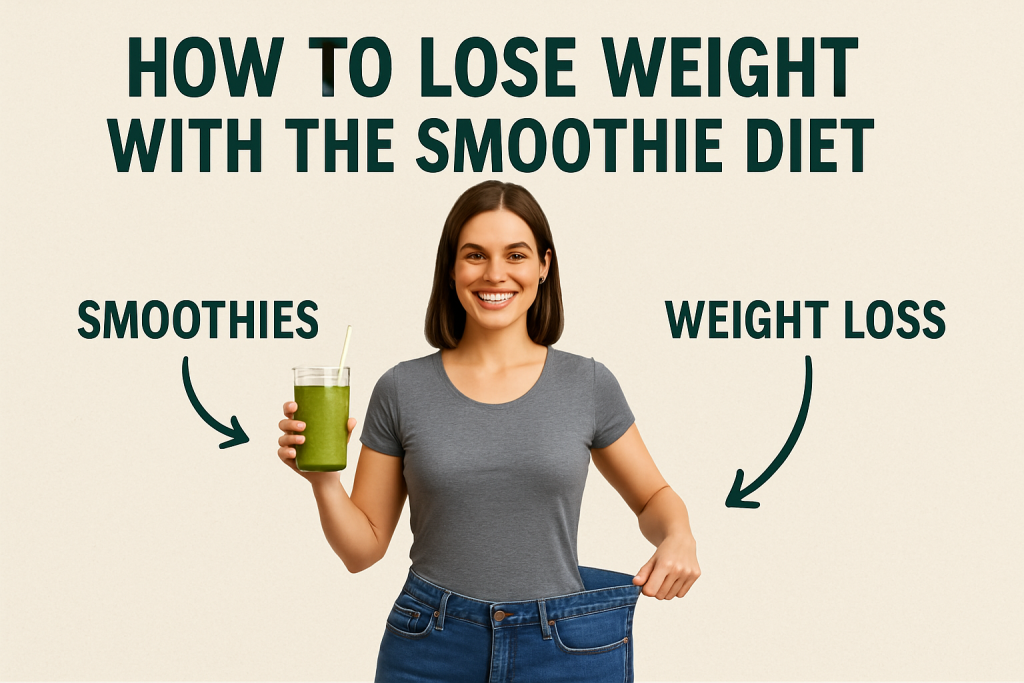
If you’ve ever found yourself staring at yet another bland salad, wondering why lasting weight loss feels so impossible, you’re not alone. In fact, studies show that nearly 80% of people who attempt traditional diets give up within the first few months, often frustrated by hunger or boredom. It’s easy to get lured in by promises of rapid results and strict rules, only to discover that most plans require giving up the foods you love, leading to little enjoyment and fleeting progress. But what if shedding pounds didn’t have to feel like punishment? Enter the smoothie diet—a refreshingly different approach that’s turning heads for good reason. Packed with flavor, nutrients, and endless variety, smoothies offer a delicious way to curb cravings, support your metabolism, and keep you satisfied. Rather than feeling restricted, you’ll actually look forward to each meal, making it much easier to stick with your goals. Smoothies may just be the surprisingly tasty weight loss secret you’ve been searching for.
The smoothie diet is rapidly gaining traction as a popular choice in the world of weight loss, particularly among those seeking sustainable and enjoyable lifestyle changes. Broadly defined, the smoothie diet involves replacing one or more daily meals with delicious, nutrient-packed smoothies made from a blend of fruits, vegetables, and other healthful ingredients. Unlike restrictive or calorie-counting diet plans that can feel overwhelming or monotonous, the smoothie diet offers a fresh take on nourishment, making it an appealing alternative in health-focused communities.
One major reason it stands out is its simplicity and adaptability. Compared to more complicated regimens like keto—which requires cutting entire food groups—or intermittent fasting—which demands strict adherence to eating windows, the smoothie diet is straightforward and flexible. It allows individuals to tailor ingredients to their personal preferences and dietary needs without sacrificing satisfaction. People find it easier to stick with because there’s little guesswork involved: you just blend and enjoy. This convenience is especially attractive for busy individuals seeking a quick meal solution that delivers real nutritional value.
Nutritionally, smoothies can be powerhouses of vitamins, minerals, fiber, and antioxidants, especially when packed with leafy greens, berries, nuts, seeds, and healthy sources of protein like Greek yogurt or plant-based powders. Unlike many “quick fix” diets that can leave you feeling deprived and undernourished, the smoothie diet aims to satisfy hunger while fueling the body with essential nutrients. The basic principle is simple yet effective: swap out calorie-heavy, processed meals for balanced smoothies that are both filling and flavorful, helping to curb cravings and reduce overall calorie intake.

The smoothie diet’s surge in popularity also owes much to its pleasant taste and the sheer variety of recipes available. For many, the experience of sipping a naturally sweet, creamy smoothie beats munching on bland salads or eating tiny portions. Added to the taste factor is the convenience—smoothies are quick to prepare and easy to take on-the-go, making healthy eating more accessible. Supporters of the diet frequently report increased energy, improved digestion, better skin, and gradual, sustainable weight loss as added bonuses. Together, these factors make the smoothie diet a standout choice for those aiming to lose weight without sacrificing enjoyment or health.
The Smoothie Diet is structured around the simple yet powerful concept of substituting one or two meals per day with carefully blended smoothies, typically over a 21-day period. This timeframe is designed to help your body adjust to a healthier eating pattern while providing a clear, easy-to-follow framework that encourages consistency. The program offers flexibility, allowing you to choose which meals to replace and adjust ingredient choices based on your personal tastes and dietary needs. This adaptability ensures it fits seamlessly into most lifestyles, whether you’re navigating a busy work schedule or managing family meals.
At the heart of the Smoothie Diet’s effectiveness is the science of nutrition and metabolism. Smoothies, when crafted with a balance of proteins, fibers, healthy fats, and a variety of fruits and vegetables, can promote satiety and reduce the likelihood of unhealthy snacking. The increased intake of fiber from ingredients like spinach, berries, and chia seeds not only helps you feel full longer but also supports digestive health and steady blood sugar levels. Additionally, combining macronutrients such as plant-based proteins and good fats with naturally occurring carbohydrates found in fruits can provide sustained energy, making it easier to resist cravings throughout the day.
The program emphasizes the use of whole, unprocessed ingredients to maximize nutritional benefits and minimize unwanted additives, excess sugars, or empty calories. By focusing on fresh produce, nuts, seeds, and clean protein sources, you’re giving your body essential vitamins, minerals, and antioxidants that help boost metabolism and promote fat loss. Unprocessed foods are digested more slowly than refined options, which helps regulate hunger hormones and supports healthy weight management. Moreover, blending these ingredients retains most of their fiber and nutrients, offering a convenient yet nourishing option that can be quickly prepared and enjoyed on the go. Through this approach, the Smoothie Diet aims to reset eating habits, improve metabolic health, and set the stage for sustainable weight loss long after the initial 21 days are complete.
A perfectly balanced weight loss smoothie is more than just tossing various ingredients into a blender; it’s about purposefully selecting components that nourish your body while supporting your weight loss goals. The foundation of a satisfying and effective smoothie starts with a vibrant mix of fruits and vegetables. These offer a rich supply of vitamins, minerals, and antioxidants while adding natural sweetness and flavor. Berries, bananas, spinach, kale, and cucumbers are popular choices, with leafy greens providing fiber and phytonutrients without excessive calories. To encourage feelings of fullness and maintain muscle mass, it’s essential to include a source of lean protein. Options such as Greek yogurt, unsweetened protein powder, cottage cheese, or silken tofu blend well and make your smoothie more satiating.

Another important aspect is healthy fats, which not only enhance flavor but also keep you feeling full longer. A spoonful of nut butter, a scoop of chia seeds, a slice of avocado, or a drizzle of flaxseed oil are excellent choices that contribute omega-3 fatty acids and keep hunger at bay. Soluble fiber is a must-have for weight management, as it slows digestion and helps regulate blood sugar. Ingredients like oats, ground flaxseed, or psyllium husk can boost the fiber content without significantly altering taste or texture.
To balance nutrition and maintain energy throughout the day, aim for a ratio that includes one cup of vegetables, half to one cup of fruit, a source of protein, and a tablespoon of healthy fats per serving. If you want to get creative, ingredient swaps can breathe new life into your routine—try frozen cauliflower instead of banana for creaminess without extra sugar, or experiment with spices like cinnamon, ginger, or turmeric for added anti-inflammatory benefits. Greek yogurt can be replaced with plant-based yogurt for a dairy-free option, and nut milk varieties can offer unique flavors while keeping calories low. The secret is not just in the ingredients you choose but in their synergy—balancing flavors, nutrients, and texture so your smoothie isn’t just healthy, but also satisfying and delicious. With the right combination and a willingness to experiment, you can craft weight loss smoothies that feel indulgent, keep you energized, and support your wellness journey.
A well-structured smoothie diet plan can make it easier to adopt healthy eating habits while keeping meals exciting and satisfying. A typical daily routine might start with a nutrient-packed breakfast smoothie, such as one made with spinach, banana, Greek yogurt, chia seeds, and almond milk, offering a blend of protein, fiber, and essential vitamins to kickstart your day. For lunch, you could opt for a heartier smoothie featuring ingredients like kale, frozen mixed berries, protein powder, a touch of avocado for creaminess, and a splash of unsweetened coconut water. Snacks throughout the day might include a lighter green smoothie or a simple fruit-based blend to keep energy levels stable and cravings in check. If desired, you can have a small, healthy meal in the evening, or substitute another smoothie to maintain your plan’s consistency.
Effective meal planning is essential for success on a smoothie diet. Start by outlining your weekly menu—decide which smoothies you’d like to have each day and note the key ingredients required for each recipe. Create your shopping list around versatile staples that can be used in multiple combinations. Core essentials often include leafy greens (like spinach or kale), a variety of fresh or frozen fruits (such as berries, bananas, and mango), protein sources (Greek yogurt, cottage cheese, nut butters, or protein powders), seeds (chia, flax, or hemp), and liquid bases (almond milk, coconut water, or plain water). Having extras like oats, cinnamon, or natural sweeteners on hand provides additional options for variety.
To save time during busy weeks, use prep-ahead strategies such as portioning out ingredients for each smoothie and storing them in freezer-safe bags or containers. This allows you to simply grab a pre-packed bag in the morning, blend, and go. Batch-washing fruits and greens, pre-measuring powders and seeds, and organizing your fridge with prepped items can cut prep time dramatically. If you have a particularly tight schedule, consider blending your smoothies upfront and storing them in jars in the fridge for up to 24 hours, ensuring you always have a healthy option ready. By combining thoughtful planning, streamlined shopping, and simple prep routines, sticking to a smoothie diet becomes more manageable and enjoyable, even with a hectic lifestyle.
One of the most frequent mistakes people make when preparing meal replacement shakes is underestimating the impact of hidden sugars and high-calorie add-ins. Ingredients like flavor syrups, honey, sweetened yogurts, fruit juice, or even seemingly healthy granola can quickly transform a balanced shake into a calorie-dense, sugar-laden beverage. These added sugars not only undermine your goal of achieving a nutritious meal replacement, but can also trigger unwanted blood sugar spikes and energy crashes. To sidestep this pitfall, always read product labels closely and opt for unsweetened versions of milks, yogurts, and protein powders. Sweeten shakes naturally instead with a small portion of whole fruit or a sprinkle of cinnamon and vanilla extract.
Another common error is neglecting the importance of protein or fiber in your shake. While fruits, juices, and almond milk may provide vitamins and hydration, a shake lacking substantial protein and fiber will not keep you full for long, leading to unnecessary snacking and undoing your “meal replacement” intentions. Protein supports muscle maintenance and prolongs satiety, while fiber aids digestion and moderates blood sugar. To ensure your shake is nutritionally complete, include a high-quality protein source such as protein powder, Greek yogurt, or nut butter, alongside fiber-rich ingredients like leafy greens, oats, chia seeds, or flaxseed meal. This balance helps maintain steady energy levels and reduces cravings between meals.
Portion control is another area where meal replacement shakes can go astray. Because these beverages often feel “light” compared to a plated meal, it is easy to overlook how many calories and macronutrients they contain, especially when combining several energy-dense ingredients. Overly generous portions can unintentionally lead to excess calorie intake and hinder weight management efforts. To avoid this, measure your ingredients before blending and keep track of the total nutritional content—using an online calculator if needed. Remember, a meal replacement shake should fit comfortably within your daily calorie goals and be satisfying without overloading you. By paying attention to these common pitfalls—hidden sugars, insufficient protein or fiber, and portion control—you can ensure your homemade shakes are both healthy and effective for your nutrition plan.
While weight loss often serves as a motivating factor for adopting new dietary changes, the benefits of healthy eating extend far beyond simply shedding unwanted pounds. One of the most immediate and noticeable advantages is improved digestion. Incorporating nutrient-rich, whole foods like fruits, vegetables, and whole grains provides essential fiber that supports gut health, helps regulate bowel movements, and reduces digestive discomfort such as bloating and constipation. As your digestive system functions more efficiently, your body can absorb nutrients more effectively, leading to an overall sense of vitality and well-being.
Another remarkable benefit that emerges with cleaner eating habits is clearer, healthier skin. Processed foods and excess sugar are linked to inflammation, which can often manifest through acne, dullness, or redness. When you fill your meals with antioxidant-rich produce, healthy fats, and ample hydration, you support your skin from the inside out. Increased water intake and foods with high water content, like cucumbers and watermelon, further contribute to better hydration levels throughout the body—your skin included. Improved hydration not only promotes a radiant complexion but also enhances cellular function, allowing your body to flush out toxins more efficiently.
Beyond physical transformations, the psychological benefits are profound. A balanced diet plays a significant role in stabilizing energy levels and mood. Whole foods provide a sustained release of energy, as opposed to the erratic spikes and drops associated with sugary snacks or processed carbohydrates. Essential nutrients found in nuts, seeds, fish, and leafy greens, such as omega-3 fatty acids, B vitamins, and magnesium, have a direct impact on brain chemistry, often leading to improved mental clarity and enhanced emotional well-being. Many people report feeling less fatigued, more focused, and generally happier as a result of these dietary shifts.
Crucially, adopting healthier eating practices isn’t just about short-term changes—it’s about building sustainable habits. When dietary improvements prioritize nourishment and satisfaction rather than restriction and deprivation, they are far more likely to become lasting lifestyle choices. This long-term approach ensures that the benefits, from better digestion and glowing skin to elevated energy and mood, can be maintained for years to come, fundamentally transforming your relationship with food and overall health.
Many individuals have experienced remarkable transformations after adopting this diet, finding not just weight loss but profound improvements in overall well-being. Take the story of Sarah, a 34-year-old mother of two who struggled for years to shed persistent pounds gained during pregnancy. After switching to this approach, she reported, “Within just a few weeks, my energy levels soared. I lost eight pounds in the first month and, for the first time in years, I felt in control of my cravings.” Sarah’s journey is far from unique—her steady progress, tracked over six months, resulted in a total weight loss of 28 pounds and a significant drop in cholesterol levels, as confirmed by her physician.
Similarly, Jake, a 52-year-old office manager, initially turned to the diet to manage borderline hypertension and high blood sugar. “I was skeptical,” he recalls, “but I decided to commit fully for three months. By the end of that period, not only had I lost 20 pounds, but my doctor also took me off one of my blood pressure medications.” Jake continues to maintain his results, crediting the diet’s sustainable guidelines for long-term success rather than a quick fix.
It’s not just about the numbers on the scale. Many followers report improvements in sleep quality, mood, and mental clarity. Maria, a former night-shift nurse, shared, “Before, I battled constant fatigue and foggy thinking, no matter how much I slept. Now I wake up refreshed, and my colleagues noticed how much happier I seem.” Her before-and-after experience included losing two dress sizes, but more importantly, regaining a sense of vitality she hadn’t felt in years.
These stories underline a key point: success with the diet isn’t simply measured by pounds lost, but also by broader health outcomes and renewed confidence. Photos and medical records often corroborate these changes, showing reduced waistlines, improved lab results, and positive shifts in mood and daily habits. Collectively, these testimonials reflect the potential for meaningful, sustainable transformation, inspiring others to explore the diet’s possibilities for themselves.
The Smoothie Diet presents a fresh, accessible approach to healthy eating and weight management. By replacing one or two meals a day with nutrient-rich smoothies, this plan emphasizes whole foods, fruits, vegetables, and lean protein sources. One of the core benefits is its simplicity—there’s no need for elaborate cooking, calorie-counting, or restrictive meal plans. Instead, it offers a practical way to increase your daily intake of vitamins, minerals, and fiber while cutting out processed foods and unhealthy fats. This can lead to improved energy levels, better digestion, and gradual, sustainable weight loss.
However, it’s important to remember that no single diet is a perfect fit for everyone. If you have a busy lifestyle, limited time for meal prep, or a preference for fast, convenient meals, the Smoothie Diet can be an excellent option. Its flexibility allows you to customize recipes based on your taste preferences, dietary restrictions, or seasonal ingredients. At the same time, those who crave hearty meals or require specific nutrients for medical reasons may need to adapt the plan or consult with a healthcare professional before starting.
To decide if the Smoothie Diet is the right choice for you, take a moment to consider your personal goals and habits. Are you looking for a manageable way to boost your fruit and vegetable intake? Do you enjoy experimenting with flavors and new recipes? If so, making smoothies a staple in your routine could be both enjoyable and effective. On the other hand, if you struggle with satiety or require higher-calorie meals, pairing smoothies with other balanced snacks or meals might be necessary.
Ultimately, small changes can yield big results—something as simple as replacing one midday snack or breakfast with a wholesome smoothie can set you on a path toward better health. If you’re curious about getting started, try whipping up a sample smoothie recipe this week or reach out to a registered nutritionist for personalized guidance. Embracing the Smoothie Diet doesn’t have to be an all-or-nothing commitment; even gradual adjustments can lead to lasting benefits. Taking that first step could be the catalyst for a healthier, more vibrant you.